Choosing a wire mesh welding machine is a long-term investment decision. The right line can boost your output and cut labor costs for years; the wrong one can mean constant downtime, wasted wire, and mesh that fails quality checks. This guide walks through the key questions to ask before you buy.
1. Start With Your End Product
Different applications need very different machines. Before comparing specs, identify what you’re actually producing:
- Fencing and security panels — a Fence Mesh Welding Machine or, for high-security sites like prisons and airports, an Anti-Climb Fence Mesh Welding Line with a tighter mesh aperture.
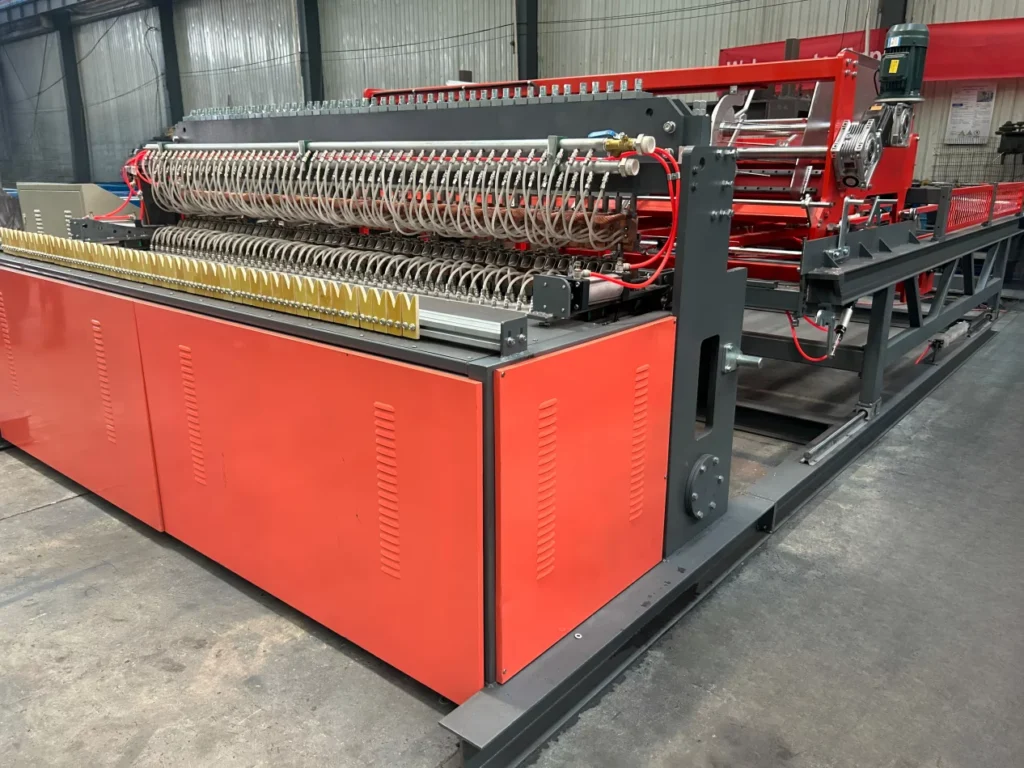
Fence Mesh Welding Machine
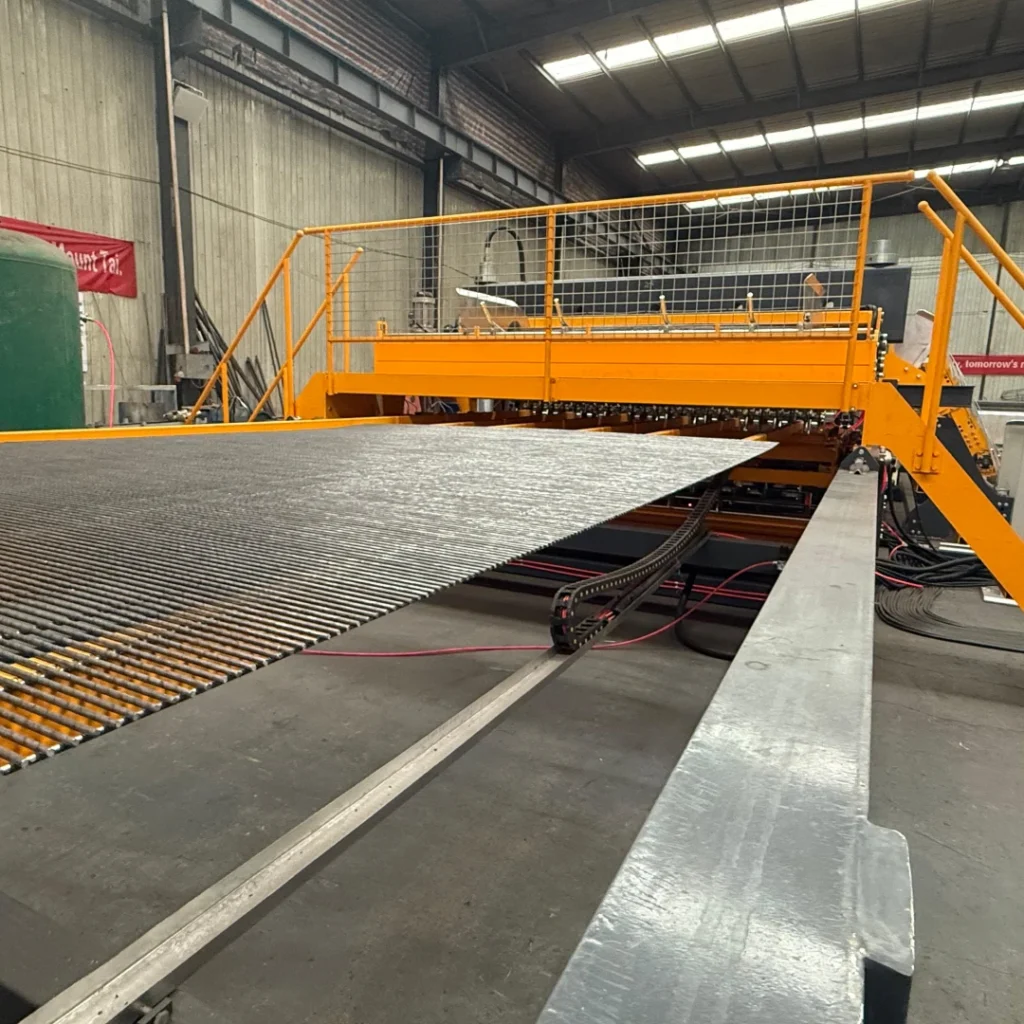
Anti-Climb Fence Mesh Welding Line
- 3D fence panels (welded, bent, and stacked in one line) — a Full-Auto 3D Fence Welding Production Line.
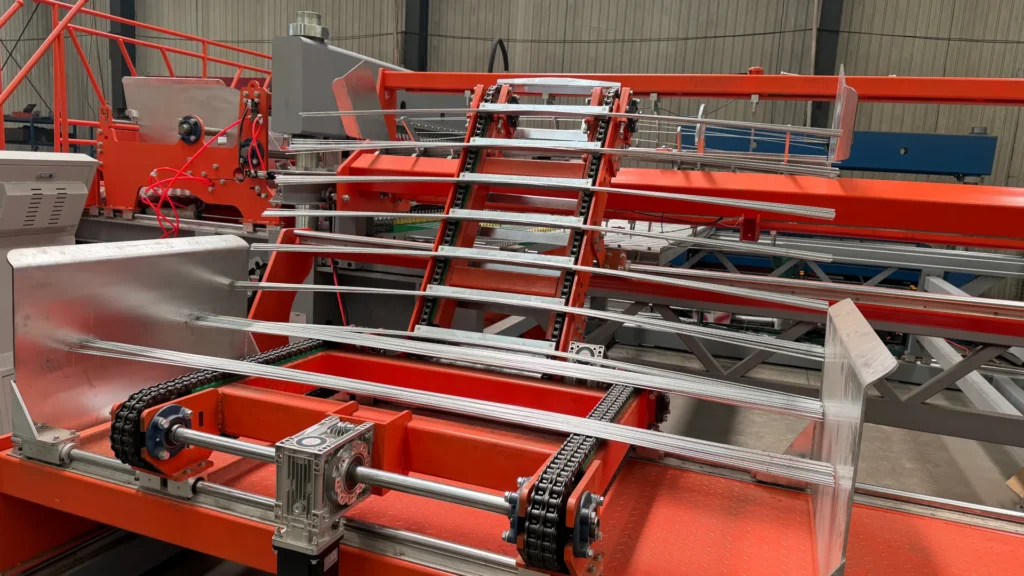
Full-Auto 3D Fence Welding Production Line
- Structural concrete reinforcement — an Automatic Reinforcing Mesh Welding Line for standard rebar mesh, or a Concrete Reinforcement Mesh Welding Line for heavier 5-12mm rebar.
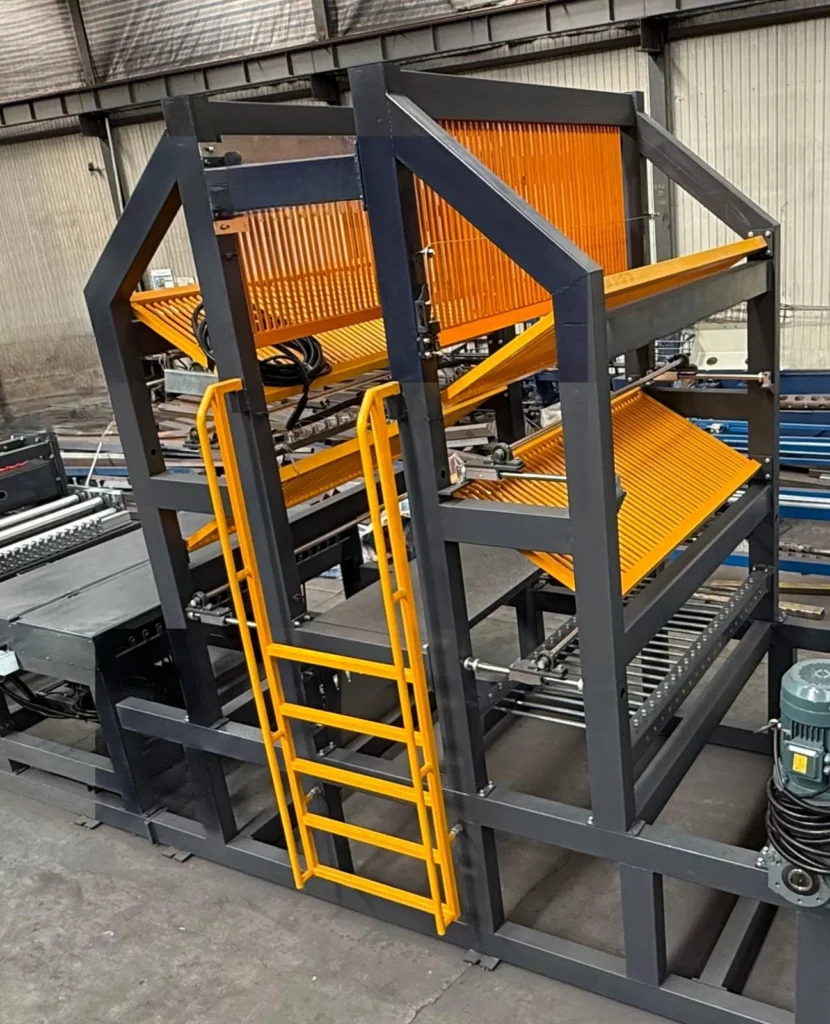
Automatic Reinforcing Mesh Welding Line
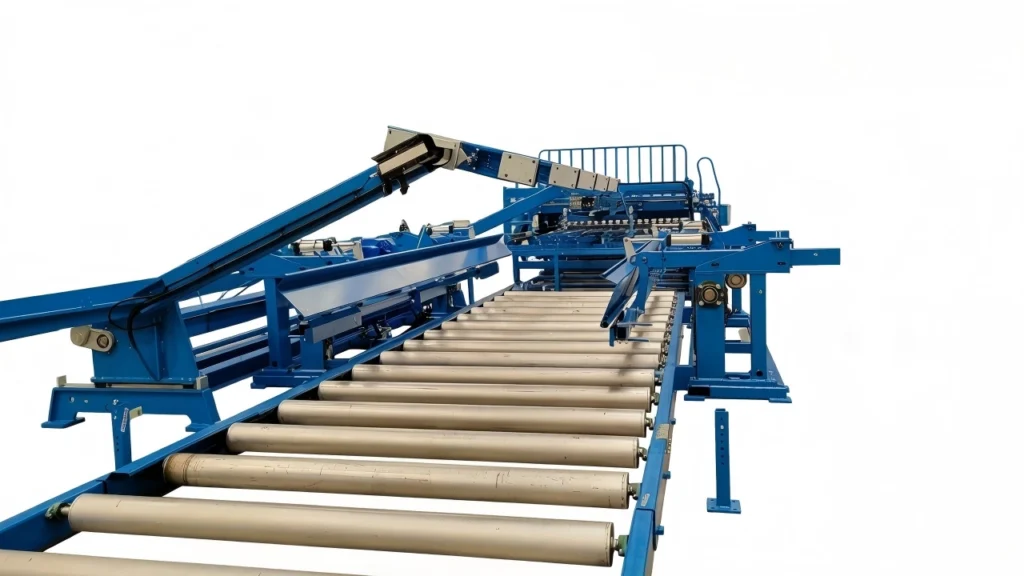
Concrete Reinforcement Mesh Welding Line
- General building and flooring mesh — a Construction Mesh Welding Machine.
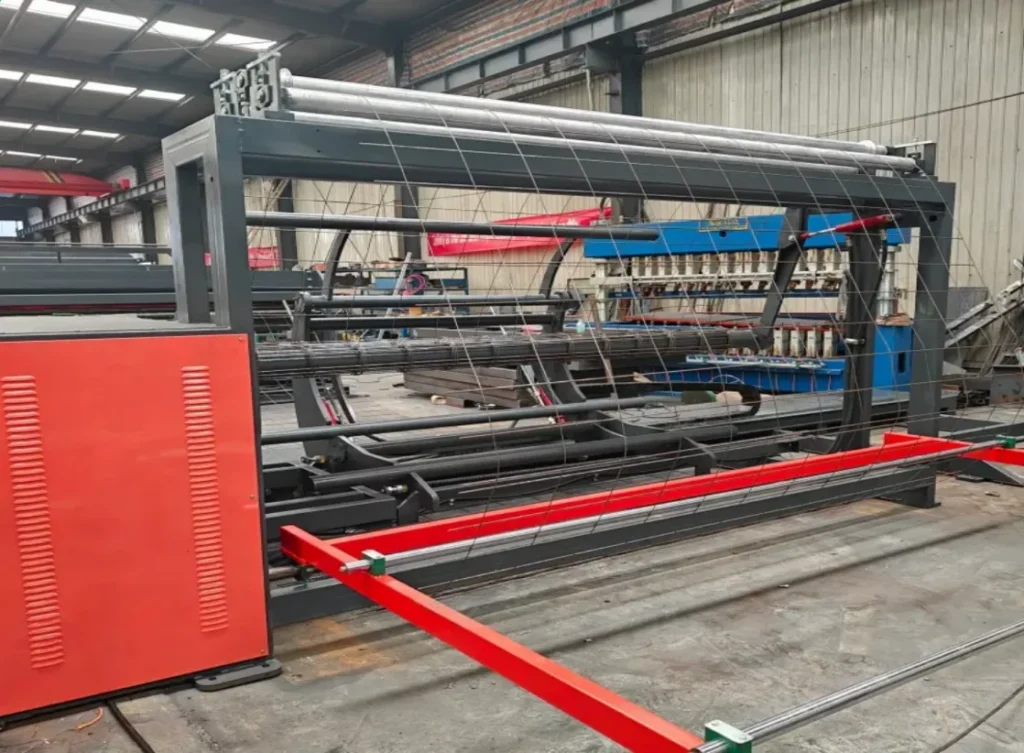
Construction Mesh Welding Machine
- Poultry and livestock cages — a Chicken Cage Mesh Welding Machine.
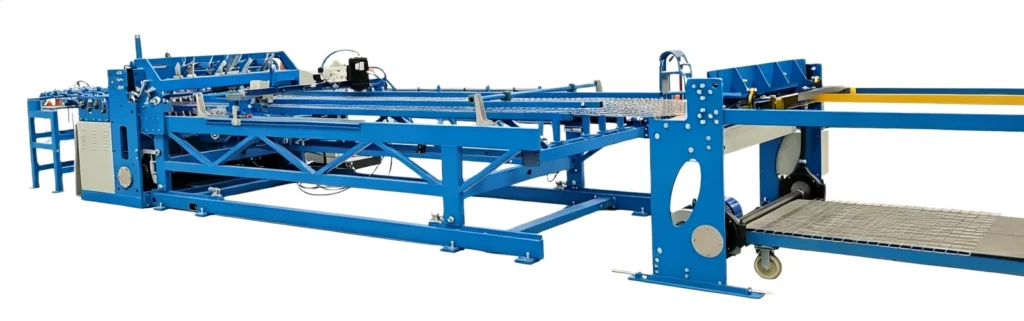
Chicken Cage Mesh Welding Machine
- Underground and tunnel support — a Mining Support Mesh Welding Machine.
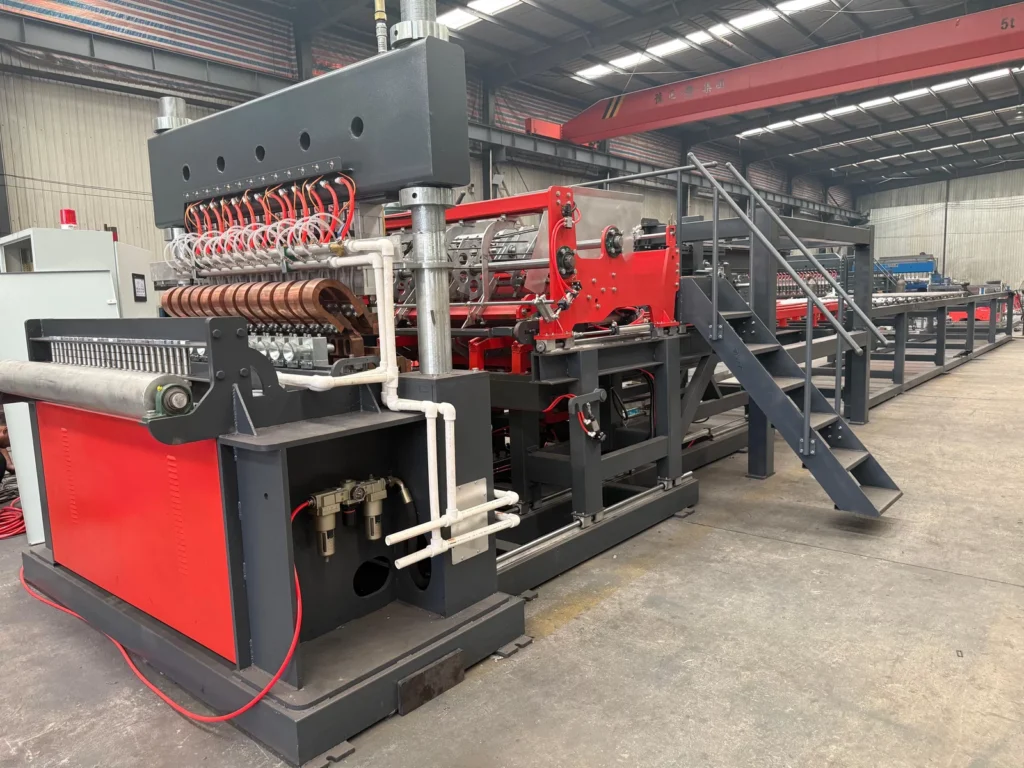
Mining Support Mesh Welding Machine
- Cable trays for data centers and telecom — a Wire Mesh Cable Tray Welding Machine.
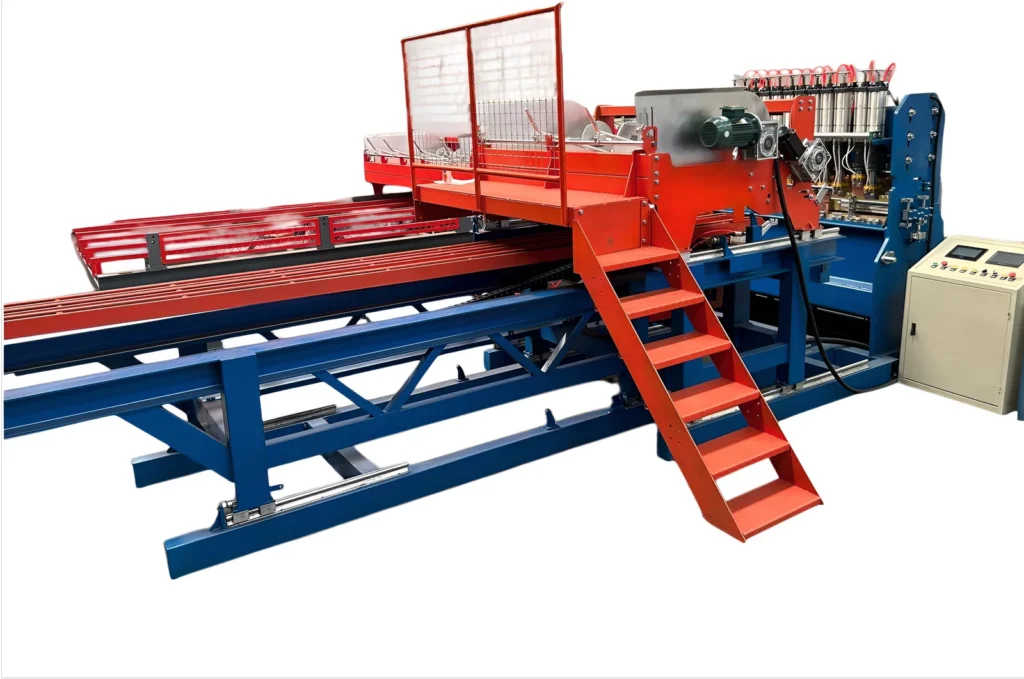
Wire Mesh Cable Tray Welding Machine
If you produce more than one of these, ask your supplier whether a single line can be configured for multiple outputs, or whether you need separate machines.
2. Check the Welding Machine’s Wire Diameter Range
Every welding line is built around a specific wire diameter range, and this is the single biggest factor separating machine categories:Welded wire mesh comes in many forms depending on wire diameter and application.
- Light-duty (cages, light fencing): roughly 2–5mm
- Medium-duty (standard fencing, construction mesh): roughly 3–6mm
- Heavy-duty (structural rebar, mining support): roughly 5–12mm
Buying a machine rated for a narrower range than your actual production needs is the most common and costly mistake. Always confirm the full range against your thickest and thinnest wire, not just your current best-seller.
3. Match Mesh Width and Length to Your Market
Mesh width and panel length determine what finished sizes you can sell. A line capped at 1600mm mesh width can’t produce a 3000mm panel, no matter how good the welding quality is. Map out the panel sizes your target market actually orders before finalizing a configuration — this matters even more if you’re exporting to multiple regions with different standard sizes.Discuss your target sizes with the welding machine supplier before placing an order
4. Consider Output Format: Roll or Panel?
Some lines only cut flat panels; others can switch between roll mesh and cut panels. If your customers buy both formats, or if you’re not yet sure which will sell better in a new market, a line with configurable output gives you flexibility without needing a second machine.Ask your welding machine manufacturer which output modes their line supports before you commit.
5. Don’t Overlook Precision and Consistency
Two numbers tell you a lot about weld quality:
- Diagonal tolerance (e.g. ±2mm per 2m) — tells you how consistent your panels will be, which matters for customers who need exact fits.
- Welding cycles per minute — tells you production speed, but speed only matters if paired with stable weld strength. Ask for factory test footage or a sample panel before committing.
6. Factor In After-Sales Support
A welding line is only as good as the support behind it. Before you order, ask your supplier:
- Do they provide installation guidance and operator training?
- Is technical support available after delivery?
- What is the typical lead time for a custom configuration?
Final Thoughts
There’s no single “best” wire mesh welding machine — only the machine that’s best matched to your wire diameter, target mesh sizes, and production volume. Start by nailing down your end product and wire range, then compare configurations from there.
Have a specific application in mind? Get in touch with your wire diameter, mesh size, and target output, and we can recommend the right configuration.