
A reinforcing mesh welding machine decides which wire you can use, how wide your mesh can be and how fast you can ship orders. Reinforcing mesh is the steel grid inside concrete floors, slabs, walls and precast parts, so choosing the wrong machine is an expensive mistake that limits your product range for years.
This guide explains the main choices using the reference configuration of our Automatic Reinforcing Mesh Welding Line (models GWC1600 and GWC2500), and lists what to check before you order.
What a Reinforcing Mesh Welding Machine Does
A reinforcing mesh welding machine joins longitudinal wires and cross wires at every crossing point using resistance welding. Electric current passes through the crossing under pressure, and the two wires fuse into one strong joint. The result is a flat grid that is used as reinforcement in concrete, for example in floor slabs, walls, foundations and precast elements.
On our automatic line, the whole process runs in one sequence: the wire is paid off, straightened, fed, welded, pulled forward, cut and, if needed, coiled. Sensors and a central PLC coordinate every station, so one operator can run the line with little manual work.
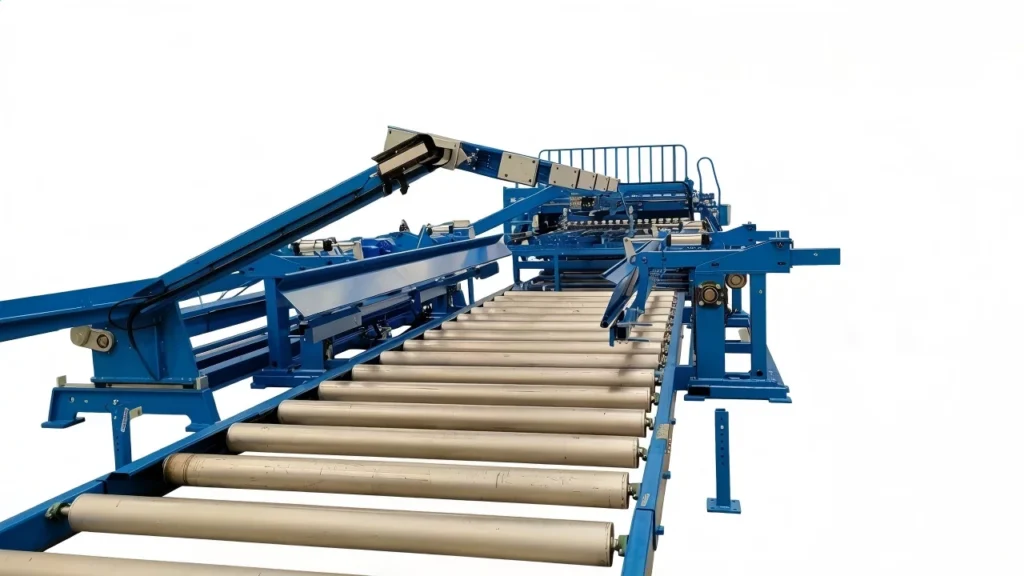
Reinforcing Mesh Welding Machine Specs at a Glance
These are the reference configurations of the Automatic Reinforcing Mesh Welding Line on our product page:
| Item | GWC1600 / GWC2500 |
|---|---|
| Mesh width | 1600 mm or 2500 mm |
| Mesh length | Up to 6000 mm per panel |
| Wire diameter | 3.0–8.0 mm |
| Longitudinal wire spacing | 100–300 mm |
| Cross-wire spacing | 50 mm and above |
| Electrode pairs | 16 or 24 |
| Transformer | 125 KVA × 4 or × 6 |
| Welding speed | 60–80 cycles/min |
| Output | Roll mesh or cut panels |
One welding cycle completes one row of cross wires, so a higher cycles-per-minute figure means faster production. Final values are confirmed against your wire material, mesh specification, output target and factory conditions.
Choosing the Right Wire and Mesh Size
Start with the mesh you actually sell. Write down the wire diameter, the spacing in both directions and the panel size. Then compare them with the ranges above: 3.0–8.0 mm wire, 100–300 mm longitudinal spacing and 50 mm or wider cross-wire spacing.
Our reinforcing mesh lines are built for plain round wire and cold-rolled ribbed wire. If you plan to weld any other type of steel, or a diameter outside this range, tell us before you order so we can check whether the configuration fits.
[IMAGE: Use your existing photo — Wire feeding and straightening station. ALT TEXT: Wire feeding and straightening station of the reinforcing mesh welding line]
Mesh Width and Length: 1600 mm or 2500 mm?
The two standard widths are 1600 mm and 2500 mm, and the line can also be customized in mesh width, transformer capacity, electrode count and automation level. Pick the width that matches the sheet or roll size your customers order most often. A wider machine generally needs more electrode pairs and more transformer capacity, so it also needs a stronger power supply.
Panel length goes up to 6000 mm. If your market uses longer panels, mention it in your enquiry so we can discuss the options.
Roll Mesh or Cut Panels?
The line can output either roll mesh or cut panels, with automatic cutting and optional coiling.
- Roll mesh is easy to store and transport, and it suits large floor areas where the mesh is cut on site.
- Cut panels arrive in ready-to-lay sizes, which saves time on the building site when your customers use standard panel dimensions.
If you serve both kinds of customers, ask for a configuration that can switch between the two.
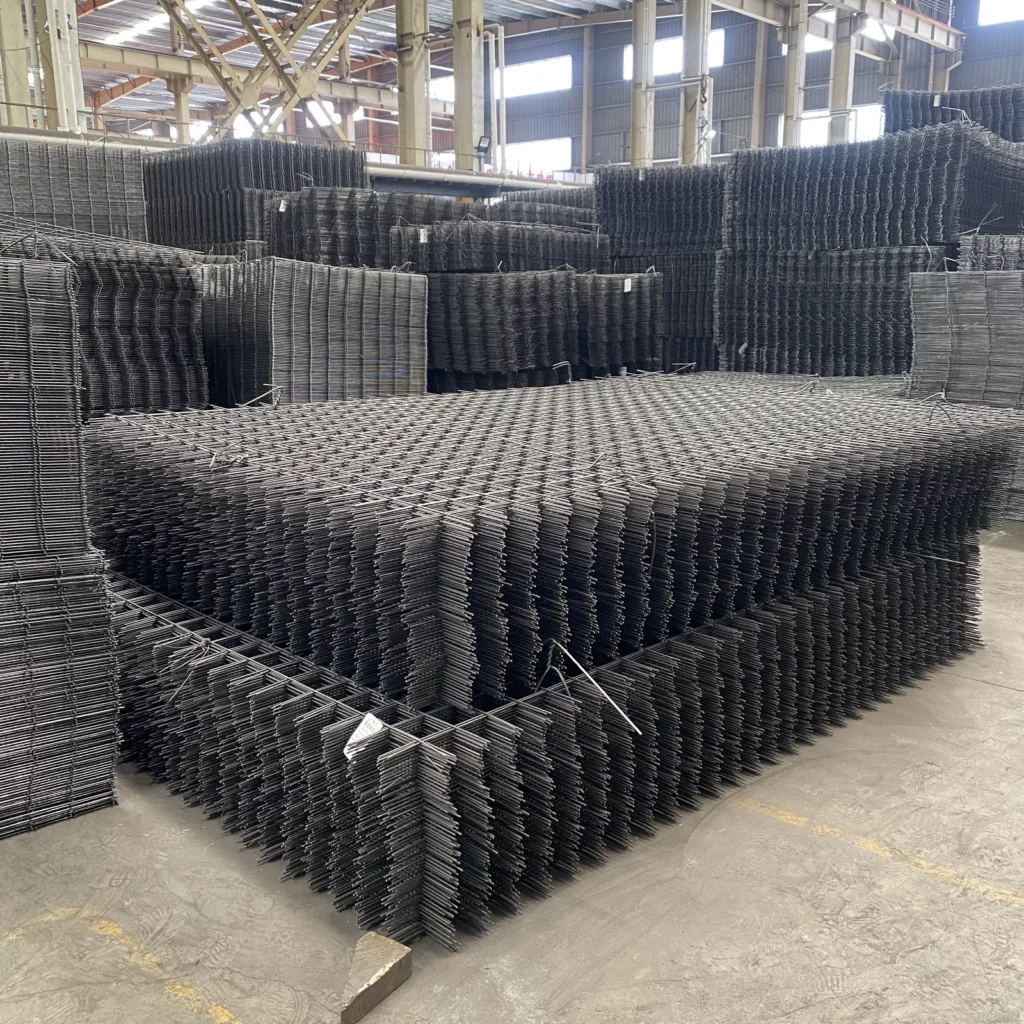
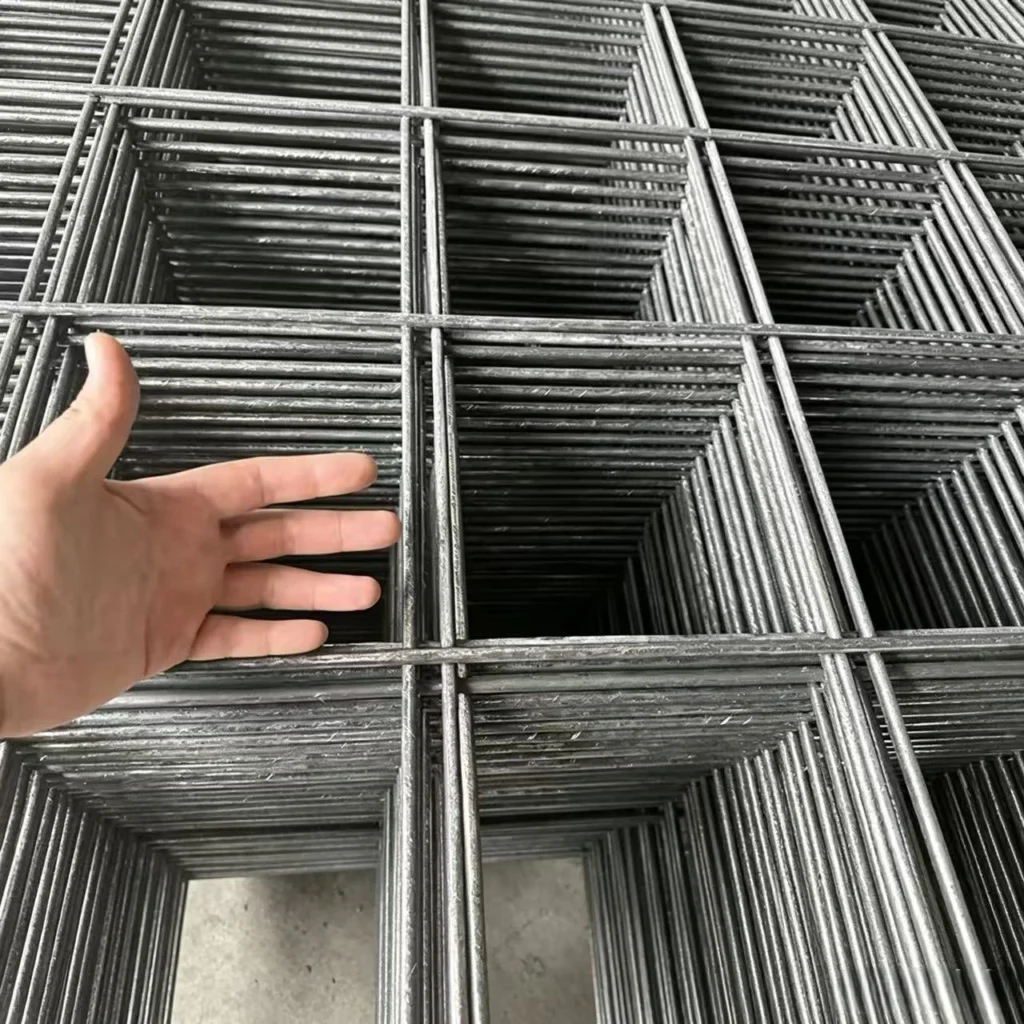
Automation and Weld Quality
For concrete reinforcement, weld strength matters more than looks. Several design details on the line protect it during long production runs:
- Chromium-zirconium copper electrodes and closed-loop water-cooled transformers keep weld quality stable.
- Continuous longitudinal-wire monitoring raises alarms for shortage and breakage.
- Servo-indexed cross-wire feeding keeps spacing accurate.
- Touchscreen recipes save mesh settings, so repeat orders start quickly.
- Station-level diagnostics and safe alarm shutdown make faults easier to find.
Regular care of electrodes, air circuits and sensors also keeps the weld consistent. Our daily maintenance guide for wire mesh welding machines covers the routine checks.
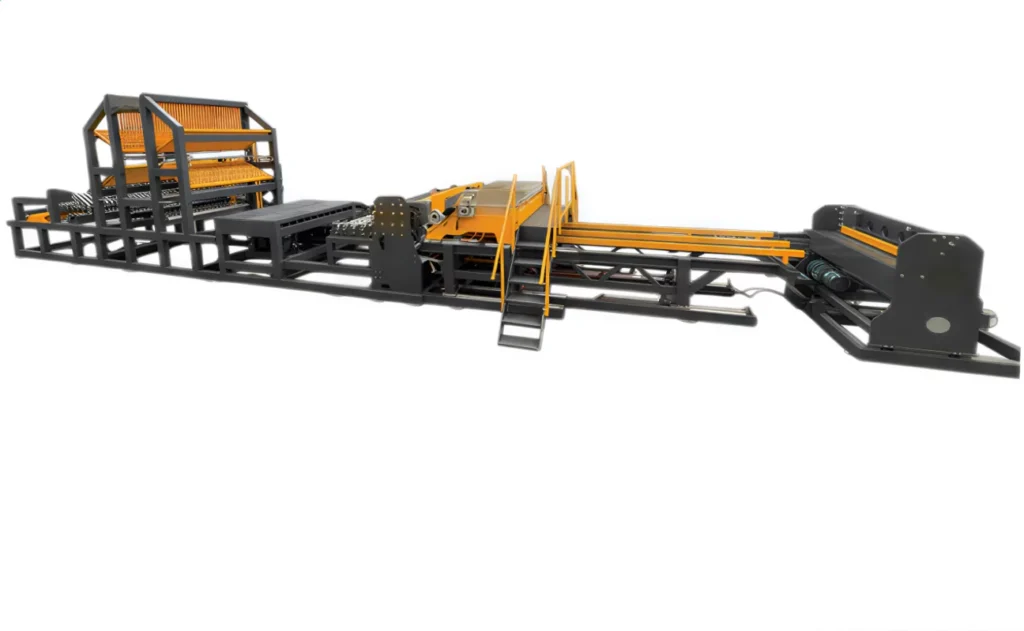
How to Choose a Reinforcing Mesh Welding Machine
These five questions usually decide the right configuration:
- What mesh do you sell? List the wire diameter, spacing and panel size of your top three products.
- Which wire will you use? Plain round and cold-rolled ribbed wire are supported. Confirm your diameter fits within 3.0–8.0 mm.
- Roll or panel? Decide the main output format, and whether you need both.
- How much do you plan to produce? Welding speed is 60–80 cycles per minute, but real output also depends on wire size, spacing and staffing.
- Is your factory ready? Check power supply, floor space and operator training before the machine ships.
For help judging a supplier as well as a machine, see our guide on how to choose a wire mesh welding machine manufacturer.
Other Reinforcing and Construction Mesh Machines
If your production needs a different setup, compare it with our Concrete Reinforcement Mesh Welding Line and Construction Mesh Welding Machine. If you also make fencing, our guide to fence welding machine types shows the options for that product.
Get a Reinforcing Mesh Welding Machine Quote
Send us your target mesh size, wire diameter and daily output through our contact page, or message us on WhatsApp +86 15031820613. We will recommend a configuration based on your real production needs.