
A poultry cage mesh welding machine decides how consistent your cage panels are, how many operators each shift needs, and how much wire you waste. For a cage factory, it is not just another piece of equipment: it sets the quality ceiling of every panel you sell. This guide walks through the specifications, wire choices and features worth comparing, using the XFW-1200 / XFW-1600 series from Anping Xingfei Machinery as the reference.
What a Poultry Cage Mesh Welding Machine Does
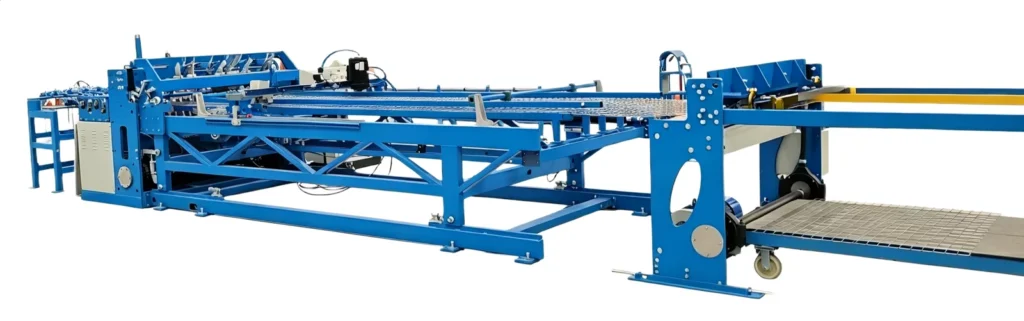
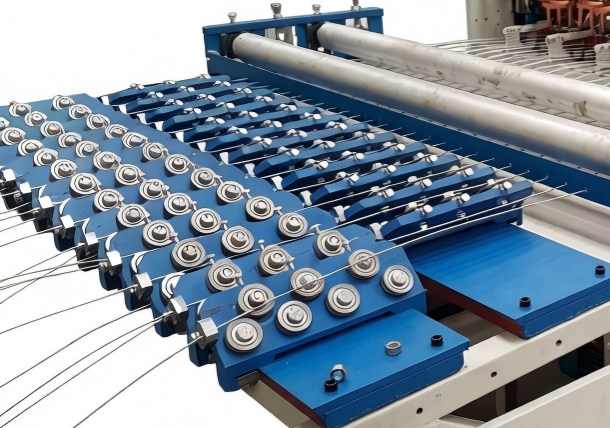
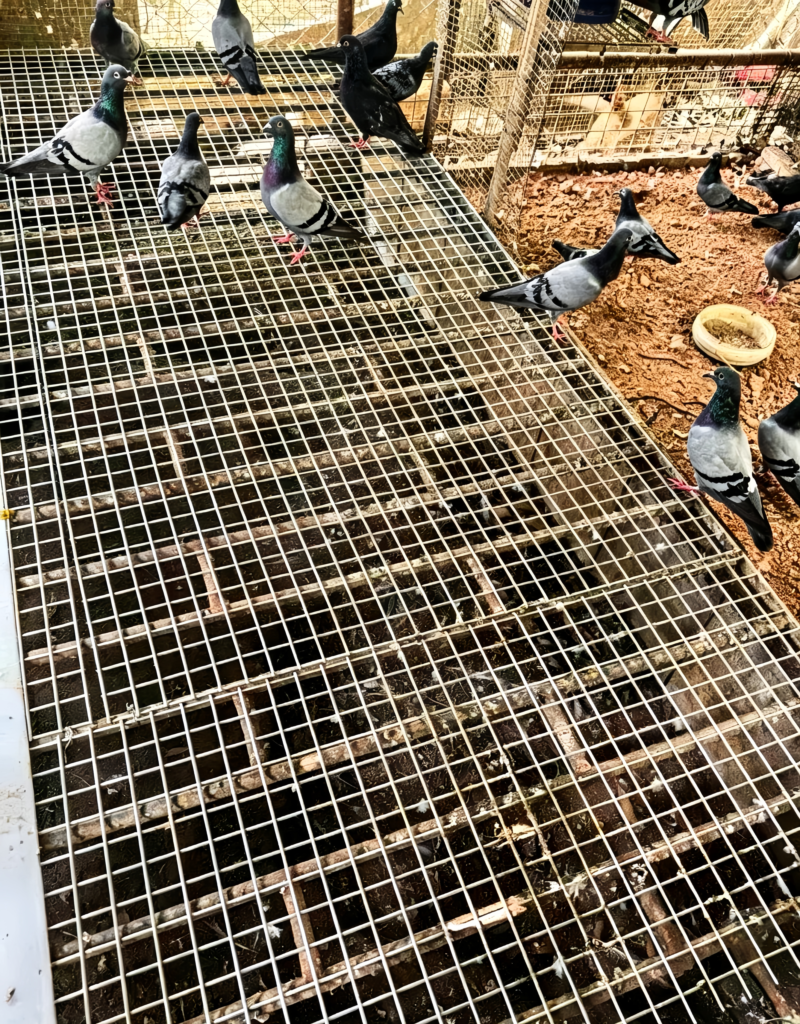
The chicken cage mesh welding machine combines wire payoff, straightening, resistance welding, automatic cross-wire feeding, servo mesh pulling and cutting into one coordinated process. Wire is paid off and straightened so the finished panel lies flat. Cross wires drop from a hopper and are fed one at a time. Resistance welding fuses each intersection, a servo system pulls the mesh forward by the set spacing, and the panel is cut to length.
The result is a flat, uniform panel that is ready to be cut, bent or assembled into cages. Because the steps run together, manual handling drops and fewer operators are needed per shift.
Key Specifications of a Poultry Cage Mesh Welding Machine
Specifications decide which cages you can build. Here are the reference parameters of the XFW-1200 / XFW-1600 series and what each one means for you.
| Parameter | XFW-1200 / XFW-1600 | Why it matters |
| Wire diameter | 2.0–4.0 mm | Sets the range of cage types you can make. Light-gauge wire suits poultry cages, rabbit hutches and quail enclosures. |
| Mesh width | 1200 / 1600 mm | The panel width. Pick the one that matches your cage dimensions to limit cutting waste. |
| Mesh length | Up to 3000 mm | The longest panel the machine can deliver in one piece. |
| Electrodes | 24 / 32 pcs | Electrode count is matched to the mesh width and the line-wire spacing you need. |
| Cross-wire spacing | 25 mm and above | The minimum distance between cross wires. |
| Line-wire spacing | 12.5–200 mm | A wide range, from fine mesh to open mesh, for different cage designs. |
| Welding speed | 60–80 cycles/min | Each cycle welds one cross-wire row, so speed drives output. Real output also depends on your mesh spacing and wire. |
| Output | Flat panels | The machine delivers flat panels, not rolls. |
Please note that these are reference configurations. Final values are confirmed against your wire material, mesh specification, output target and factory conditions.
Galvanized Wire or Black Wire?
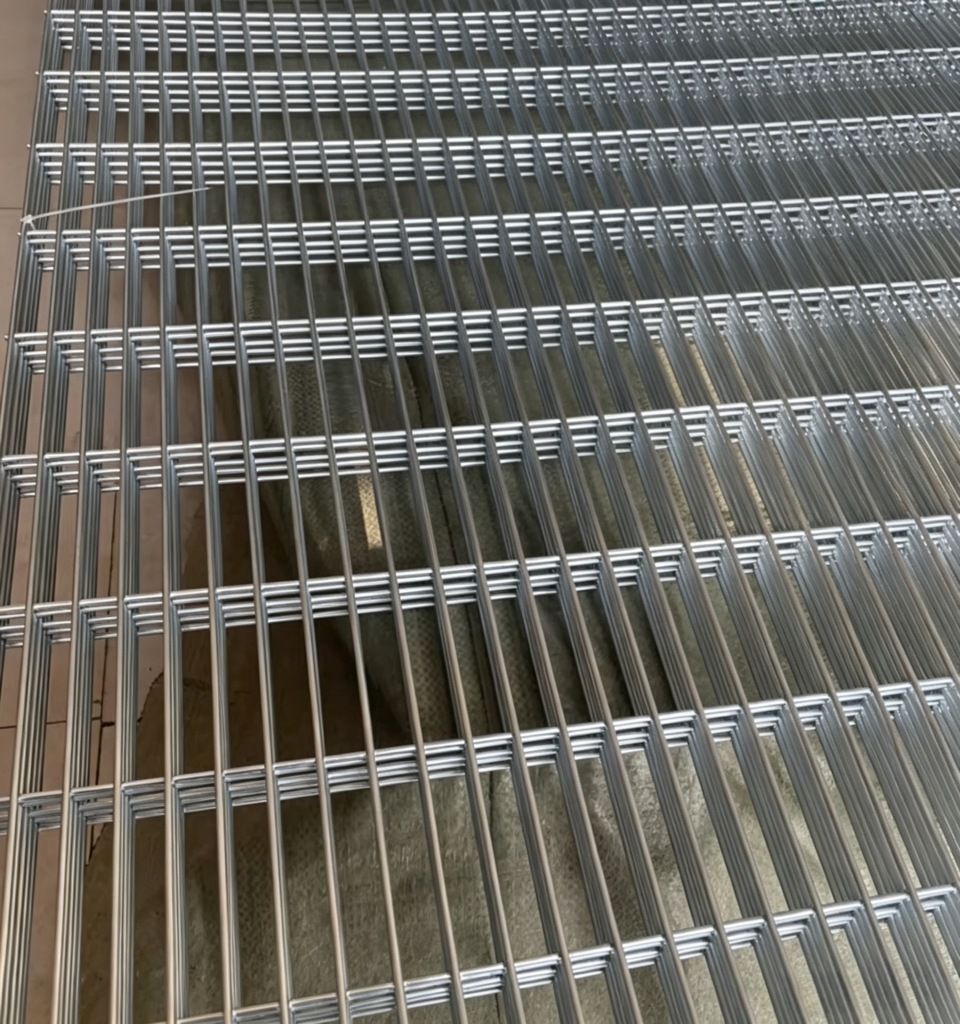
Cage makers use both, and this machine can weld both galvanized wire and black wire. Which one you choose depends mostly on your market and your finishing process:
- Galvanized wire brings corrosion protection from the start, which matters in humid poultry houses and wash-down environments. Heat at the weld point affects the zinc coating, so ask your supplier how weld points are protected. Welding galvanized wire also produces zinc fumes, so good ventilation in the workshop is important.
- Black wire panels are normally galvanized or coated after welding if they will be used in humid or outdoor conditions. This adds a finishing step to your process, so plan for it in your layout and costs.
Whichever you use, tell your supplier the wire material, diameter and strength requirement up front. Electrodes and welding parameters can then be set to match.
Features of a Good Poultry Cage Mesh Welding Machine
A good poultry cage mesh welding machine is not only about speed. These six features affect panel quality and daily stability:
- Automatic wire payoff and straightening. Straight wire gives flat finished panels that are easier to assemble into cages.
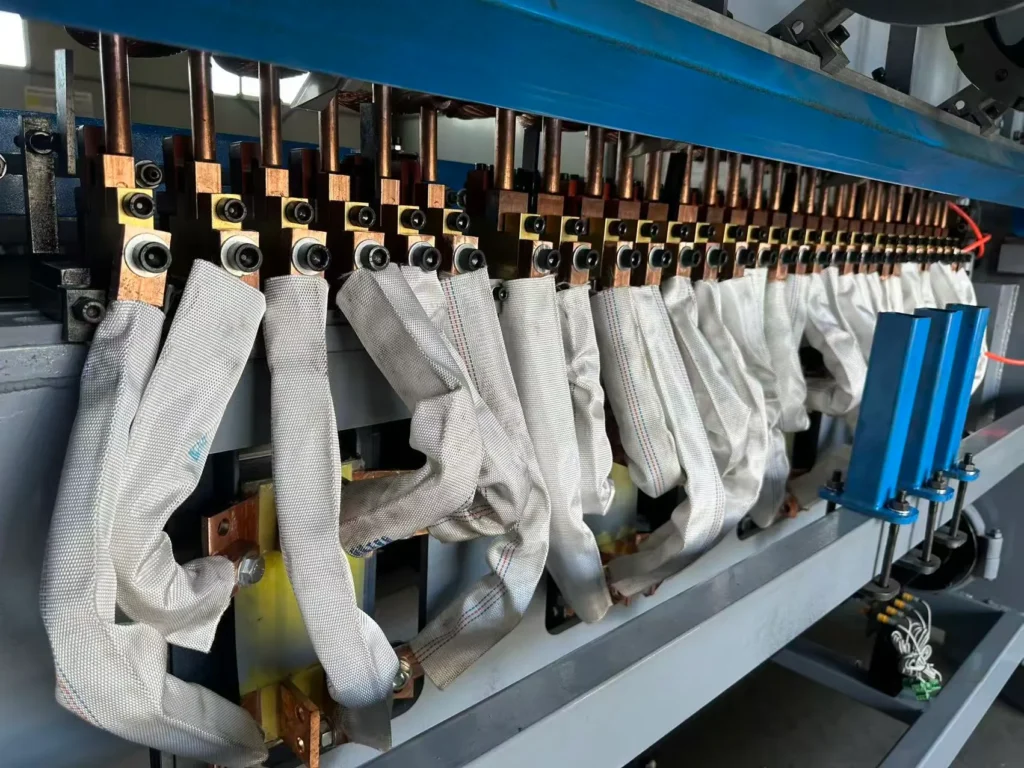
- 125 KVA water-cooled transformers with temperature protection. Water cooling supports steady welding current over long shifts, and the protection helps guard against overheating.
- Chromium-zirconium copper reversible electrode blocks. This electrode material is made for resistance welding, and reversible blocks can be turned to use a fresh edge.
- Cross-wire hopper with gripper detection and one-wire-at-a-time feeding. This helps avoid missing or doubled cross wires.
- Panasonic servo-driven mesh pulling. It moves the mesh accurately and keeps cumulative error low along the panel length.
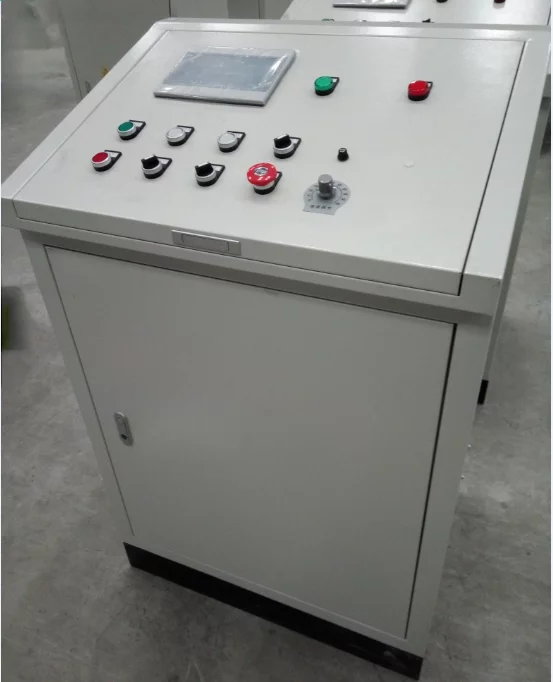
- PLC touchscreen control with fault detection and automatic alarm shutdown. Operators see faults quickly, and the machine stops instead of producing scrap.
Questions to Ask Before Buying a Poultry Cage Mesh Welding Machine
Before you request a quotation, prepare answers to these questions. They help the supplier recommend the right configuration:
- Which wire will you weld: galvanized, black, or both? What diameter?
- What mesh pattern do you need: line-wire spacing, cross-wire spacing, panel width and panel length?
- What output do you need per shift, and how many operators can you assign?
- What is the power supply in your factory (voltage and frequency)?
- What installation guidance, operator training and technical support come after delivery?
Beyond Chicken Cages
The same XFW series is designed for other light livestock fencing, including rabbit hutches and quail enclosures. If your product needs wire thicker than 4.0 mm, or wider panels for fencing, take a look at our fence mesh welding machine, which is built for 3.0–5.0 mm wire and panel widths up to 3000 mm.
Working With Xingfei
Anping Xingfei Machinery Co.,Ltd. builds wire mesh welding machines under ISO 9001 quality standards. For the XFW series, we provide installation guidance, operator training and technical support to keep production smooth after delivery, and we respond to inquiries within 48 hours.
Frequently Asked Questions
Can the poultry cage mesh welding machine weld both galvanized and black wire?
Yes. Tell us your wire material and diameter, and we will confirm the welding configuration for your production.
How wide and how long can the panels be?
The machine makes mesh widths of 1200 mm or 1600 mm, with panel lengths up to 3000 mm.
What mesh spacing can I produce?
Line-wire spacing ranges from 12.5 mm to 200 mm, and cross-wire spacing starts from 25 mm and above. The final pattern is confirmed against your mesh specification.
Does it produce rolls or flat panels?
It produces flat panels.
How does the machine reduce operator workload?
Wire payoff, straightening, cross-wire feeding, mesh pulling and cutting run as one coordinated process. This reduces manual handling and the number of operators needed per shift.
Get a Recommendation for Your Cage Production
Tell us your wire type, mesh pattern and panel size, and we will recommend a suitable configuration. See the full chicken cage mesh welding machine page for details, or contact us directly:
- WhatsApp: +86 15031820613
- Telegram: +86 17746857935